








A concise overview of pulmonology
- What Is a Pulmonologist?
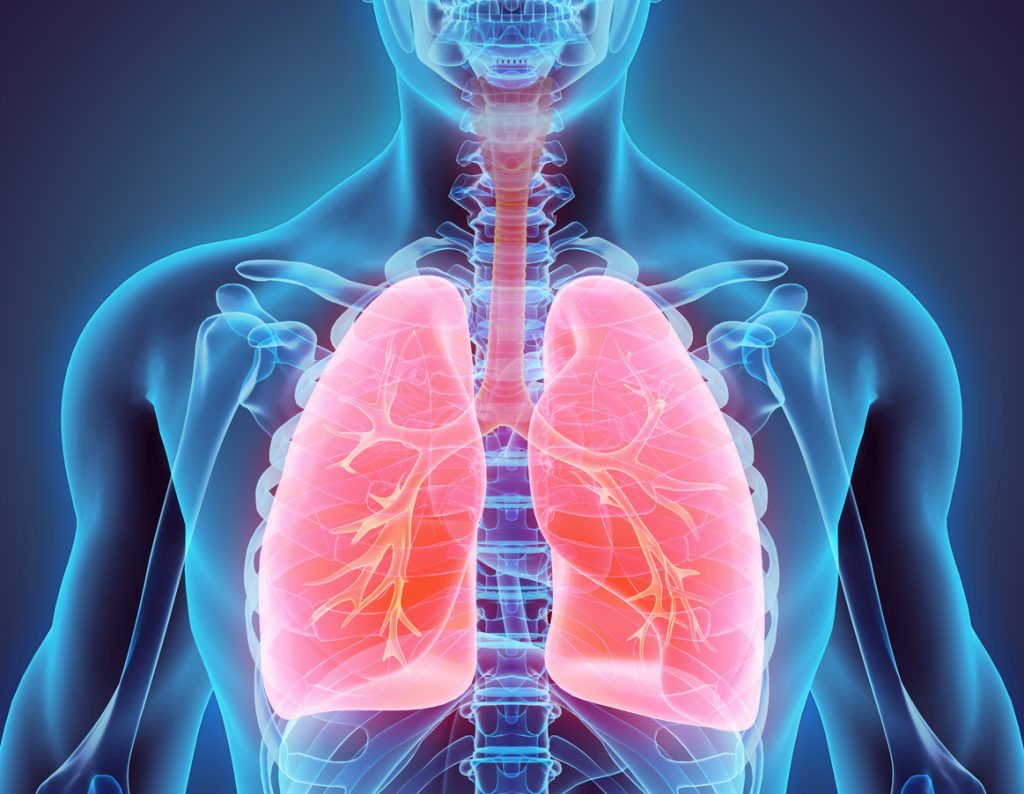
- A pulmonologist is a doctor who specializes in lung conditions.
- They diagnose and treat diseases of the respiratory system, including the lungs, nose, throat, trachea, airways, muscles, and blood vessels1.
- Difference Between Cardiologist and Pulmonologist:
- Cardiologists focus on heart health, while pulmonologists specialize in lung health.
- Both heart and lungs are closely linked, so collaboration between these specialists is essential for certain conditions like pulmonary hypertension.
- Becoming a Pulmonologist:
- Obtain a bachelor’s degree and pass the Medical College Admissions Test (MCAT).
- Complete a three-year internal medicine residency program.
- Follow it with a two-year fellowship in pulmonary disease.
- Board certification is available through the American Board of Internal Medicine1.
- Conditions Treated by Pulmonologists:
- Inflammation, tissue overgrowth, and infections affecting the respiratory system.
- Long-term management plans for chronic lung diseases.
- Collaboration with primary care doctors and other specialists for comprehensive care.
Feel free to expand on these points to create an informative blog post! 😊
 Furniture
 Cooking
 Accessories
 Fashion
 Clocks
 Lighting