








Nuclear medicine
Nuclear medicine is a specialized area of radiology that uses very small amounts of radioactive materials to examine organ function and structure. Here are the key points:
- Purpose:
- Diagnosis: Nuclear medicine helps diagnose diseases early, such as thyroid cancer.
- Treatment: It’s also used for therapeutic purposes.
- How It Works:
- Radiopharmaceuticals (radioactive tracers) are administered internally (e.g., intravenously or orally).
- Specially designed cameras capture radiation emitted by these tracers.
- Unlike X-rays, which pass external radiation through the body, nuclear medicine records internal radiation.
- Common Techniques:
- Scintigraphy: Creates 2D images using internal radionuclides.
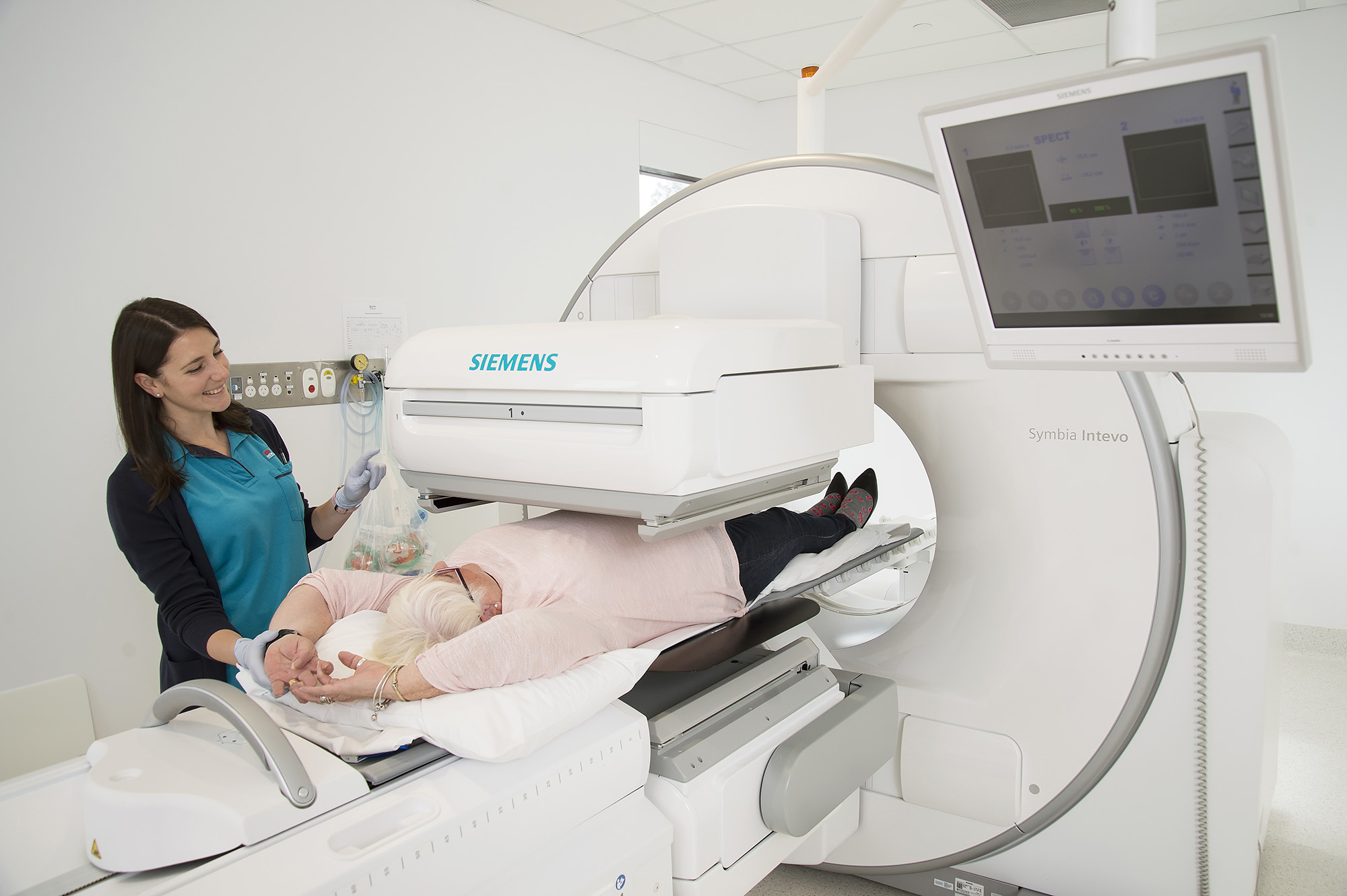
- SPECT (Single Photon Emission Computed Tomography): 3D tomographic technique.
- PET (Positron Emission Tomography): Coincidence detection for functional imaging.


 Furniture
 Cooking
 Accessories
 Fashion
 Clocks
 Lighting