










Robotic surgery
Robotic surgery is a remarkable technique that allows doctors to perform complex procedures with enhanced precision, flexibility, and control compared to traditional methods. Here’s what you need to know:
- How It Works:
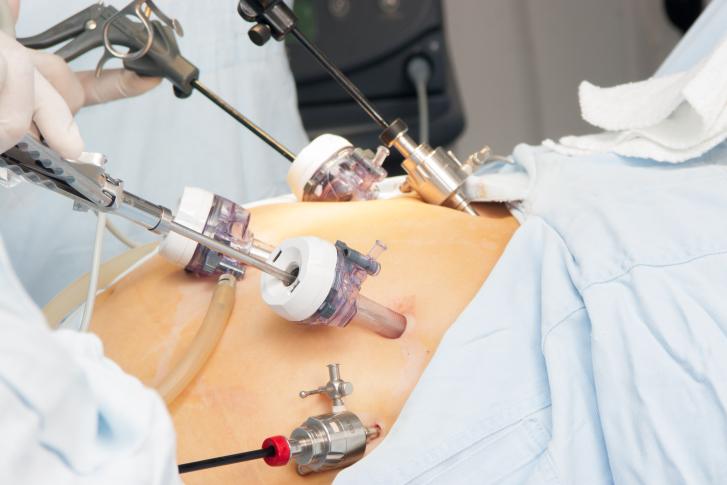
- Minimally Invasive: Robotic surgery is a type of minimally invasive surgery.
- Tiny Incisions: Small surgical instruments are inserted through tiny incisions in the patient’s body.
- Robotic Arms: These instruments are mounted on robotic arms, granting surgeons maximum range and precision.
- Controller-Guided: Surgeons control the robotic arm using controllers and a viewing screen.
- Advantages:
- Precision: Robotic systems allow intricate movements and fine adjustments.
- Less Invasive: Smaller incisions mean quicker recovery and less scarring.
- Complex Procedures: Used for heart surgery, cancer removal, and more.
- Risks and Considerations:
- Learning Curve: Surgeons need specialized training.
- Cost: Robotic systems can be expensive.
- Team Collaboration: Surgeons work alongside the robot, not independently.







 Furniture
 Cooking
 Accessories
 Fashion
 Clocks
 Lighting