









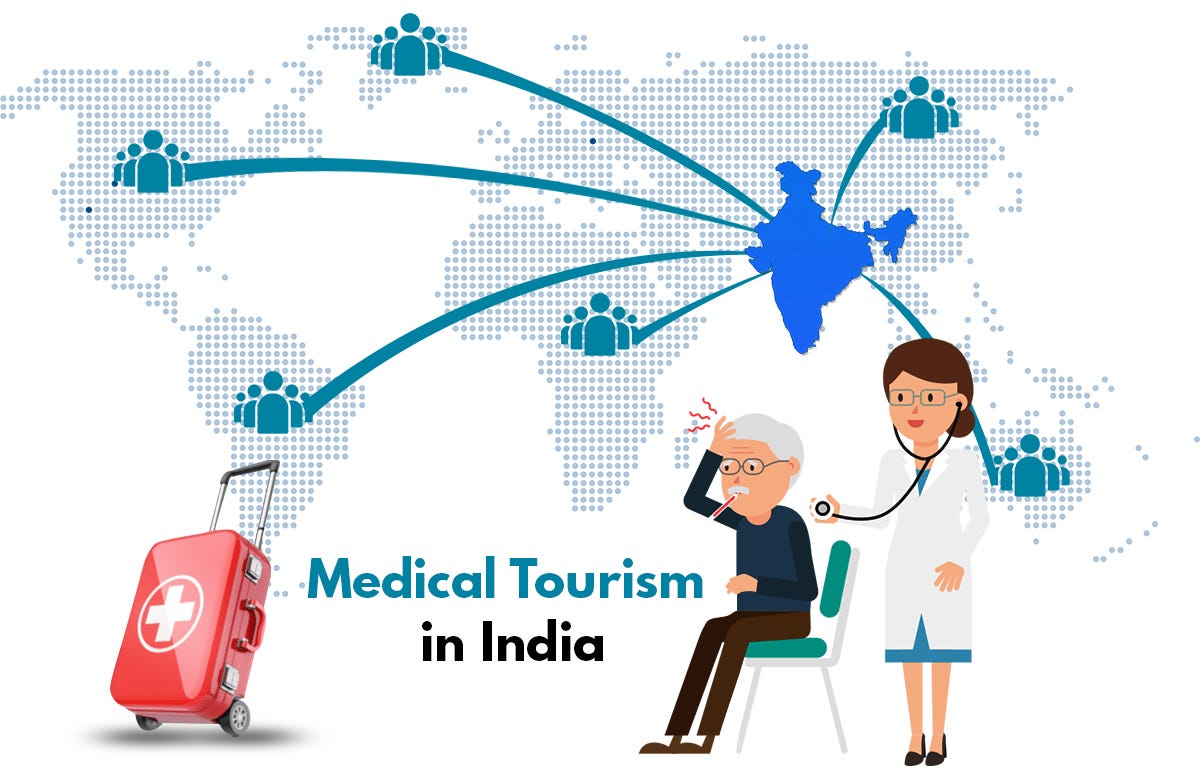
Treatment and Medical Tourism in India: A Comprehensive Guide
Introduction
India has emerged as a premier destination for medical tourism, attracting thousands of international patients annually. The blend of advanced medical facilities, skilled professionals, and affordable care makes India a go-to for diverse treatments. This guide explores why India is a top choice for medical tourism and provides detailed insights into the treatments available, along with practical information for prospective patients.
1. Why Choose India for Medical Treatment?
a. High-Quality Medical Care
India boasts numerous internationally accredited hospitals and clinics. Many healthcare institutions adhere to global standards, employing highly skilled medical professionals trained in the latest techniques.
b. Cost-Effective Treatment
One of the most compelling reasons for choosing India is the cost savings. Treatments in India can cost up to 60-80% less than in Western countries, without compromising on quality.
c. Advanced Technology and Procedures
Indian hospitals are equipped with cutting-edge technology and offer advanced medical procedures, from robotic surgeries to minimally invasive techniques.
d. Skilled Medical Professionals
India’s healthcare workforce includes doctors and specialists who are often trained or have practiced in the US, UK, or Europe, bringing international expertise to the local setting.
e. Comprehensive Range of Treatments
India provides a broad spectrum of medical treatments, including but not limited to cardiology, oncology, orthopedics, neurology, and cosmetic surgery.
2. Popular Treatments in India
a. Cardiology
Procedures: Angioplasty, coronary artery bypass grafting (CABG), heart valve replacement, and cardiac catheterization.
Highlights: Many hospitals in India offer advanced cardiac care with high success rates at a fraction of the cost in Western countries.
b. Orthopedics
Procedures: Joint replacement (knee, hip, shoulder), spinal surgeries, arthroscopy, and trauma surgery.
Highlights: State-of-the-art facilities and expert orthopedic surgeons make India a hub for orthopedic treatments.
c. Oncology
Treatments: Chemotherapy, radiotherapy, immunotherapy, and surgical oncology.
Highlights: Comprehensive cancer care with access to advanced diagnostic tools and multidisciplinary treatment approaches.
d. Neurology
Procedures: Brain tumor surgery, spinal surgeries, and treatment for neurological disorders like epilepsy and Parkinson’s disease.
Highlights: Expertise in handling complex neurological conditions with the latest technology and treatment methods.
e. Cosmetic Surgery
Procedures: Rhinoplasty, liposuction, breast augmentation, facelift, and hair transplantation.
Highlights: High-quality cosmetic procedures performed by experienced surgeons at competitive prices.
f. Fertility Treatment
Procedures: IVF, ICSI, surrogacy, and egg donation.
Highlights: World-class fertility clinics offering personalized treatment plans with high success rates.
3. Top Medical Destinations in India
a. Delhi
- Highlights: Home to renowned hospitals like AIIMS, Fortis, and Max Healthcare. Known for advanced treatment options and experienced specialists.
b. Mumbai
- Highlights: Leading medical centers like Tata Memorial Hospital and Kokilaben Dhirubhai Ambani Hospital. Famous for oncology and cardiac care.
c. Chennai
- Highlights: Known as the health capital of India. Houses prestigious institutions like Apollo Hospitals and Global Health City, specializing in multi-disciplinary treatments.
d. Bangalore
- Highlights: Offers high-quality healthcare facilities such as Manipal Hospital and Narayana Health, with a focus on advanced technology and patient care.
e. Hyderabad
- Highlights: Major healthcare providers include CARE Hospitals and Apollo Hospitals, with strengths in cardiology, orthopedics, and organ transplantation.
f. Kerala
- Highlights: A growing destination for wellness tourism, combining traditional Ayurvedic treatments with modern medicine.
4. Preparing for Medical Travel to India
a. Research and Consultation
- Step 1: Identify the treatment needed and research top hospitals and specialists in India.
- Step 2: Consult with a healthcare provider in your home country to understand the treatment plan and required follow-up.
b. Choosing the Right Hospital
- Accreditation: Look for hospitals with international accreditations like JCI or NABH.
- Specialization: Choose a hospital known for the specific treatment or surgery you need.
- Reviews: Read patient testimonials and reviews for insights on quality and patient care.
c. Visa and Travel Arrangements
- Medical Visa: Apply for a medical visa, which is specifically for medical treatments and allows for longer stays.
- Accommodation: Arrange for accommodation close to the hospital for convenience and post-treatment recovery.
d. Financial Planning
- Cost Estimates: Obtain detailed cost estimates for treatment, including any additional expenses such as medications, follow-up care, and stay.
- Insurance: Check if your health insurance covers treatment in India or if there are any international insurance options available.
e. Pre-Departure Preparation
- Medical Records: Gather all necessary medical records, test results, and prescriptions.
- Communication: Ensure you have a reliable way to communicate with your healthcare providers and family back home.
5. During Your Stay in India
a. Hospital Admission and Treatment
- Arrival: Arrive at the hospital for admission and complete any required paperwork.
- Treatment: Undergo the planned medical procedure or treatment. Ensure clear communication with your medical team regarding the process and expectations.
b. Post-Treatment Care
- Recovery: Follow the post-treatment care plan provided by your doctor, including any required medications, physical therapy, or follow-up visits.
- Support: Many hospitals offer patient support services, including translators, concierge services, and dietary planning.
c. Exploring India Safely
- Sightseeing: If your health permits, take time to explore local attractions. Many medical tourists enjoy visiting cultural and historical sites in their free time.
- Health and Safety: Follow health guidelines, stay hydrated, and avoid any activities that might risk your recovery.
6. Returning Home and Follow-Up Care
a. Final Consultation
- Check-Up: Have a final consultation with your doctor in India to ensure you are fit to travel.
- Documentation: Obtain a comprehensive summary of the treatment, including recommendations for follow-up care.
b. Ongoing Care
- Home Country: Share your treatment summary with your local healthcare provider to continue any necessary follow-up care.
- Telemedicine: Consider using telemedicine services for follow-up consultations with your Indian doctors if needed.
7. Testimonials and Success Stories
John’s Cardiac Surgery Experience in Delhi
“I traveled from the UK to India for heart surgery and was amazed by the care I received. The hospital was modern, the staff were incredibly skilled, and the cost was much lower than I expected.”
Maria’s Fertility Journey in Chennai
“After years of trying to conceive, my husband and I came to India for IVF. The doctors in Chennai were compassionate and professional, and today we are proud parents of a beautiful baby girl.”
8. FAQs
Q: How safe is it to get treatment in India?
Ans: With many hospitals accredited by international bodies and staffed by experienced professionals, getting treatment in India is generally safe. Ensure thorough research and choose reputed institutions.
Q: What is the average cost savings for medical procedures in India?
Ans: Patients typically save 60-80% on medical procedures in India compared to Western countries, depending on the treatment.
Q: Do Indian hospitals provide assistance with travel and accommodation?
Ans: Yes, many hospitals offer packages that include assistance with travel arrangements, airport transfers, and accommodation.
Q: How do I communicate with doctors if I don’t speak the local language?
Ans: Most doctors and medical staff speak English, and many hospitals provide interpreter services for other languages.
Contact Us
- Phone: +880 1711581762
- Email: kuntola.p@gmail.com
- Address: [04, City Garden Market, Ground Floor, Lamabazar, Sylhet-3100, Bangladesh]
- Website: www.kcmedtours.com
Feel free to contact us for personalized assistance and more information on planning your medical trip to India.

 Furniture
 Cooking
 Accessories
 Fashion
 Clocks
 Lighting